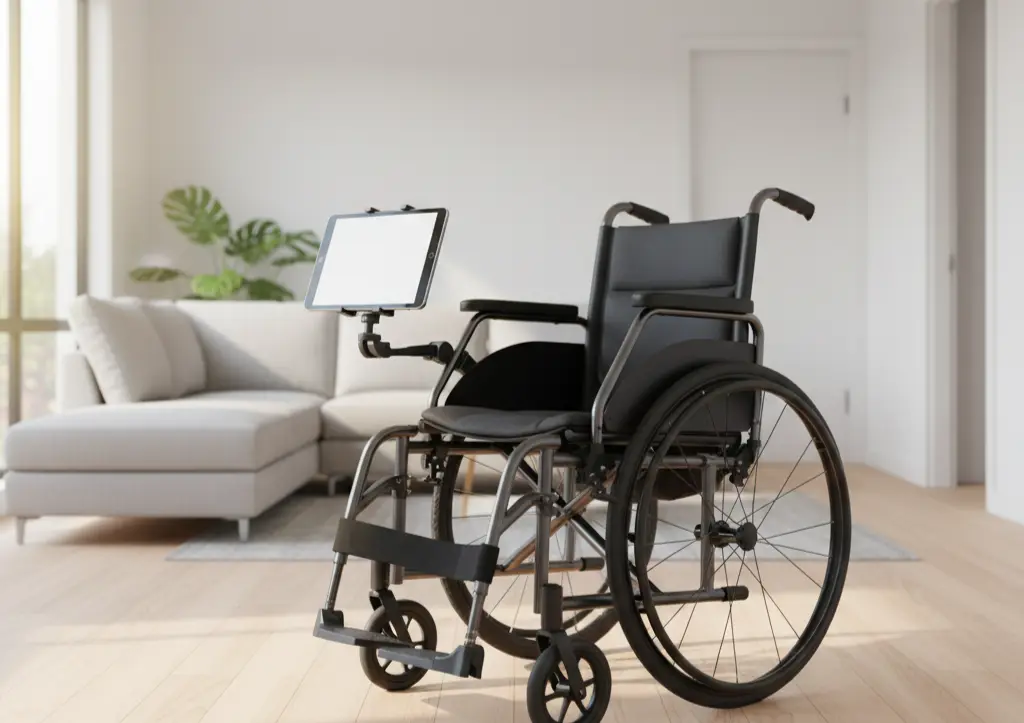
NDIS Assistive Technology Central Coast Funding Guide
Master NDIS assistive technology levels and funding. Learn how to access equipment trials and assessments on the Central Coast to boost your independence.
The NDIS defines assistive technology as any device or system that helps you do things you can't do because of your disability. It can range from simple non-slip mats to complex power wheelchairs. We help Central Coast families find the right tools to build independence and stay safe at home.
TL;DR: Your Guide to NDIS AT
Assistive technology (AT) is equipment that makes daily life easier and safer. The NDIS breaks these tools into three cost groups: low-cost, mid-cost, and high-cost. We found that choosing the right tool depends on your specific goals and the level of risk. Most simple items under $1,500 can be bought quickly using your Core budget.
For more expensive gear, you will need a report from a professional. This might be an Occupational Therapist or a Physiotherapist. They help you run trials to make sure the equipment fits your life. We work with local providers from Gosford to Wyong to ensure your technology is set up correctly and safely for your unique needs.
What is NDIS assistive technology?
Assistive technology is any tool or device that helps you perform a task that your disability makes difficult. It is designed to increase your independence and keep you safe while you move or communicate.
The NDIS uses the definition for these tools. This covers everything from a simple jar opener to a high-tech computer that speaks for you. We focus on how these tools help you reach the goals in your plan. If a device makes your life easier, it might be classed as AT.
How much does NDIS assistive technology cost?
The NDIS categorises all equipment into three levels based on the price of each item. This helps the NDIA decide how much evidence you need to provide before you buy.
The three cost levels are:
Low-cost AT: Items that cost under $1,500.
Mid-cost AT: Items priced between $1,500 and $15,000.
High-cost AT: Items that cost more than $15,000.
We suggest checking your plan to see which "bucket" of money is available. Low-cost items often come from your . Larger items usually come from your Capital Supports budget.
Do you need an assessment for equipment?
You do not always need a formal assessment for low-cost items, but you must have one for mid and high-cost gear. An assessment proves that the tool is the best fit for your disability.
An or Physiotherapist usually does this work. They look at how you move and what your home is like. They then write a report for the NDIS to explain why the item is needed. We found that a good report makes the approval process much faster.
What are "Reasonable and Necessary" supports?
Reasonable and necessary supports are those that are directly related to your disability and represent good value for money. They must be likely to help you reach your goals.
The lists seven rules for these decisions. The NDIS will not pay for everyday items that everyone buys, like a standard fridge. However, they might pay for a modified fridge if you cannot use a normal one. We help you explain these needs to the NDIS in a clear way.
How do you trial equipment on the Central Coast?
You can trial equipment by visiting local showrooms or having a therapist bring items to your home. Trialling is the best way to make sure you do not waste money on the wrong tool.
Many providers in Gosford and Wyong allow you to test wheelchairs or walkers for a few days. We suggest trying the gear in the places you go every day, like your kitchen or the local park. This helps you see if the tool is easy to use and if it fits through your doorways. If a trial fails, it is actually good data to show the NDIS why you need a different model.
NDIS AT Funding Categories
What is the difference between NDIS and EnableNSW?
The NDIS provides equipment for permanent disabilities, while EnableNSW often helps people who are not eligible for the NDIS. EnableNSW is run by the state government in New South Wales.
If you are an NDIS participant, you must use your NDIS plan for your equipment first. may still provide short-term help or respiratory gear in some cases. We help local families navigate which service to call first. This prevents delays in getting the tools you need to stay safe.
How can culture affect your technology choices?
Culture affects your choices because some families have different views on using visible equipment like ramps or walkers. We respect your values and help you find solutions that feel right for your home.
We offer multicultural care to help CALD communities feel safe and heard. For example, some high-tech communication tools can be set up in your native language. This makes the technology much more useful for your whole family. We want your tools to reflect your life and your heritage.
Why is training important for new technology?
Training is vital because even the best tool is useless if you do not know how to use it safely. The NDIS can fund sessions to teach you and your carers how to manage new gear.
We include training in your plan to ensure everyone is confident. This includes learning how to charge batteries or how to clean the device. Good training prevents accidents and makes the equipment last longer. We found that confident users are much more likely to reach their goals.
Who owns the equipment once it is paid for?
In most cases, you own the equipment because it was bought specifically for you using your plan funds. This means you are responsible for keeping it clean and booking regular services.
You should keep all receipts and warranty papers in a safe spot. If the item breaks, your plan might also have money for repairs. We help you set up a maintenance schedule so your gear stays in top shape. If you no longer need an item, you can sometimes donate it back to a local charity or equipment pool.
How do you apply for equipment funding today?
You apply by discussing your needs with your Local Area Coordinator or during your planning meeting. You should bring any letters from your therapists to show why the gear is needed.
If your needs change mid-year, you can ask for a plan variation. This is a faster way to add equipment without a full review. We are based in Davistown and can help you prepare for these meetings. You can visit our to ask us a question about your specific plan.
FAQ
Can I buy assistive technology from a normal shop?
Yes, for low-cost items you can often shop at retail stores. Just make sure the item is directly related to your disability. Always keep your tax invoice as proof for your plan manager.
Does the NDIS pay for repairs?
Yes, the NDIS often includes a small amount of money in your plan for repairs and maintenance. For very complex gear, you might need to get a quote for the repair first.
What if I speak a language other than English?
We can help you access for translation during your AT assessments. This makes sure you understand every detail of how the equipment works.
Can I rent equipment instead of buying it?
Yes, renting is often a great idea if your needs might change soon. The NDIS can fund short-term rentals while you wait for a custom item to be built.